Hey there, if you’ve ever ordered cold rolled carbon steel from us, or if you’ve been browsing metal specs trying to wrap your head around how much carbon actually matters, you’re in the right place. As a cold rolled carbon steel supplier, I get it—when you’re sourcing material for everything from car parts to kitchen appliances to that custom shelf you’re building, the carbon content isn’t just a random number on a spec sheet. It’s the difference between a steel that bends just right for your project and one that’s either too flimsy or too brittle. Today we’re breaking down the actual carbon content range in cold rolled carbon steel, no fancy jargon, just real talk from someone who’s been in this game for years. Cold Rolled Carbon Steel
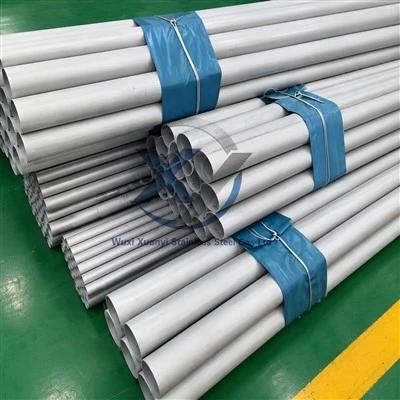
First, let’s skip the super formal definitions for a sec. Cold rolled carbon steel is basically hot rolled steel that’s been run through a series of rollers at room temperature (way below hot rolling’s 1700°F+ heat) to tighten up its dimensions, give it that smooth, shiny finish, and make it stronger. The carbon is the key alloying element here—no secret other metals mixed in like stainless steel (that’s chromium and nickel, remember? Totally different). But how much carbon are we actually talking about?
A lot of folks new to metal sourcing assume carbon steel has a fixed carbon number, but that’s not true. It’s a range, and it splits into three main categories: low carbon, medium carbon, and high carbon cold rolled steel. Each has its own sweet spot for carbon content, and each serves a totally different purpose. Let’s go through them one by one, because that’s the easiest way to wrap your head around it.
First up is low carbon cold rolled steel—this is the most common stuff we ship out daily, and it’s what most people are referring to when they say “standard cold rolled steel.” The carbon range here is super tight, usually between 0.04% and 0.15% by weight. Wait, that’s it? Only a tiny bit of carbon? Yeah, that’s why it’s so versatile. The low carbon means it’s ductile—meaning you can bend it, stamp it, form it into weird shapes without it cracking. That’s why you see it in everything from automotive body panels (they get stamped into fenders and doors all the time) to metal cabinets to that custom sign shop that needs thin, bendable metal for letters.
But let’s get specific—our go-to low carbon grade is AISI 1008, right? That’s a workhorse. Its carbon content hovers around 0.10% give or take a little, which is perfect for deep drawing. I’ve had customers make custom kitchen sinks from this stuff, and it doesn’t split when you pull it into a deep curve. The upside of low carbon is it’s cheap, easy to form, and has good weldability too—you can stick weld it, MIG weld it, no fancy equipment needed. The downside? It’s not super strong. If you need something that can hold up to a lot of stress or not scratch easily, low carbon might not cut it for that part.
Next is medium carbon cold rolled steel, and this is where the carbon range goes up a bit. We’re talking 0.16% to 0.29% carbon here. AISI 1020 is the main grade here, and it’s a step up in strength from low carbon. More carbon means the steel’s molecular structure is a little tighter, so it’s harder and can handle more load without bending. That’s why it’s used for things like gears, shafts, structural brackets, and parts that need to be durable but still formable. Wait, it’s still formable? Yeah, not as much as low carbon, but you can still bend and stamp it—just need a little more force in your machinery. I had a customer last year who made custom mounting brackets for industrial machinery out of 1020, and he told me it didn’t twist when he bolted heavy equipment to it, which is exactly what he needed. The tradeoff here is weldability starts to drop a little—you have to preheat it sometimes if you’re doing heavy welding, because more carbon can cause cracking if you don’t handle it right. That’s a tip we always pass along, by the way—always check with your fabricator on welding medium carbon stuff.
Then we get to high carbon cold rolled steel, and this is the stuff for when you need maximum strength and hardness. The carbon range here is 0.30% to 0.59% by weight. That’s a noticeable jump from medium carbon, and it changes the properties a lot. High carbon cold rolled steel is way harder than the other two categories, so it’s used for things like springs, cutting tools, knife blades, saw blades, and parts that need to hold an edge or resist wear. Our go-to high carbon grade is AISI 1045, which is super popular for these parts. I once had a customer who made custom woodworking blades out of 1045, and he told me it held an edge three times longer than low carbon steel he’d tried before. The downside here? It’s way less ductile. You can’t bend it into a deep curve like low carbon, it’s more prone to cracking if you form it aggressively, and weldability is pretty poor—most people don’t even try to weld high carbon because it’s easy to get brittle cracks. You usually machine or form it before it gets to its final shape, then heat treat it to get that hardness.
Wait, quick question—why is the range so specific? Why not just a fixed number? Let’s break that down for anyone who’s ever asked. Steel producers tweak the carbon content within those ranges to hit different specs. For example, if a customer needs a low carbon steel that’s extra formable, we’ll aim for the lower end of that 0.04-0.15% range, like 0.05% carbon. If they need low carbon with a little more strength, we’ll go up to 0.12% or 0.13%. Same with medium carbon—if they need something that’s easy to form, we’ll pick 0.17%, if they need more strength, 0.28%. Producers also add tiny amounts of other elements, like manganese, to help with strength and prevent brittleness, but carbon is still the main driver of the properties.
Let’s also clear up a common myth here—some people confuse hot rolled and cold rolled carbon steel, so let’s make that distinction quick. Hot rolled carbon steel has a higher carbon range, usually up to around 0.50% or even 0.60%, but it’s not as smooth, has looser dimensional tolerances, and is used for structural stuff like I-beams. Cold rolled is finished at room temp, so it’s smoother, tighter, and has a little higher strength for the same carbon content, because the cold working process hardens the surface. That’s why cold rolled is the go-to for finished parts, not structural beams.
Now, as a supplier, I’ve seen a lot of customers order the wrong grade because they didn’t understand the carbon content range. Like, a guy who needed metal for a sign ordered high carbon cold rolled because he thought “more carbon means stronger,” but it cracked when he tried to bend it into curves. That’s a mistake we try to help customers avoid. The key is matching the carbon content to what you need the part to do. If you need to bend it, go low or medium. If you need it hard and wear-resistant, go high.
Another thing: what about ultra-high carbon cold rolled? Wait, actually, most cold rolled carbon steel stops at 0.59% carbon. Above that, it’s less common for cold rolling, because it’s too brittle to form easily. If you need carbon above 0.60%, you’d usually go with hot rolled or another type of steel, not cold rolled. So that top end of high carbon is pretty much the max we work with here.
Let me run through a real example to make this concrete. Last month, we had two different customers order steel for two different projects. One was a local company making custom metal furniture—they needed 16-gauge steel to bend into chair legs and table frames. They ordered AISI 1008, which is 0.05-0.15% carbon. Perfect, it bent like a dream, didn’t crack at the joints, and was cheap enough for their budget. The other customer was a factory making garage door springs—they needed steel that could stretch thousands of times without breaking. They ordered AISI 1045, which is 0.45% carbon, right in the high carbon range. That steel is hard enough to hold its shape, has enough carbon to give it the tensile strength for springs, and they heat treat it after forming to get even more durability. Both orders were in the same general category (cold rolled carbon steel) but totally different carbon ranges, and both worked exactly for what they needed.
Now, if you’re out there shopping for cold rolled carbon steel, how do you know what carbon content you need? First, ask yourself: do I need to form it (bend, stamp, draw), or do I need it hard and strong? If you need to form it, aim for low carbon (0.04-0.15%). If you need a balance of formability and strength, medium (0.16-0.29%). If you need maximum hardness and wear resistance, high (0.30-0.59%). And if you’re not sure, just ask your supplier—we’ve been doing this long enough to help you pick the right grade, no matter what your project is.
Wait, a quick note on testing the carbon content—some people think you can tell just by looking at it, but you really can’t. A shiny cold rolled sheet can be low or medium carbon, you have to go by the mill specs or test it. We always provide mill test reports for every order, which list the exact carbon content (and other specs) so you know exactly what you’re getting. That’s non-negotiable for us—no guessing games here.
As someone who’s been in the cold rolled steel game for over a decade, I can tell you that the carbon content range is the backbone of cold rolled carbon steel. It’s not just a number—it’s what makes the steel work for your project. Too little carbon, and it’s weak and flimsy. Too much carbon, and it’s brittle and impossible to form. Getting that range right is what separates a good part from a bad one, and that’s why we take the time to make sure every grade we ship hits those exact ranges.

If you’re working on a project right now and need cold rolled carbon steel, or if you have questions about grades, carbon content, or anything else related to steel, don’t hesitate to reach out to our team. We don’t just sell steel—we help you pick the right stuff for the job, whether you’re a small business owner making custom signs or a big manufacturer building industrial parts. No sales pitch, no pressure, just straight talk about what works.
Carbon Steel Bar References:
- ASTM A109 / A109M, Standard Specification for Steel, Strip, Carbon (0.25 Percent or Less), Cold Rolled
- AISI Steel Products Manual: Carbon and Alloy Steels
- ASM International, Properties of Cold Rolled Carbon Steels
Wuxi Xuanyi Stainless Steel Co., Ltd.
Wuxi Xuanyi Stainless Steel Co., Ltd. is one of the most professional cold rolled carbon steel manufacturers and suppliers in China. With abundant experience, we warmly welcome you to wholesale bulk durable cold rolled carbon steel made in China here from our factory. If you have any enquiry about cooperation, please feel free to email us.
Address: Room 1207, Building 11, Shengang Metropolis Plaza, No. 299 Fangcheng Avenue, Xinwu District, Wuxi City,China.
E-mail: jscherryxy@163.com
WebSite: https://www.xuanyisteel.com/
