Hey there! If you’ve ever stared at a snack label — maybe a soda, a protein bar, that fancy organic cookie you grabbed at the grocery store — and wondered how it tastes so sweet without all the sugar you used to see, chances are you’re looking at one of the sweeteners we supply here. As someone who’s been in the sweetener game for, like, 12 years now, I get it: most people just think “sweeteners = things that make food taste good.” But there’s way more to ’em, especially when it comes to their physical properties — the stuff that actually makes them work the way they do, whether you’re baking a cake, mixing a sports drink, or whipping up a sugar-free ice cream. Sweeteners
Let’s cut the fancy textbook jargon, yeah? I’ve sat through enough industry seminars that I can translate the geeky stuff into real talk. For our customers — the food manufacturers, the home bakers, the people who care about getting the right product out there — knowing these physical properties isn’t just “nice to have.” It’s what keeps your recipe consistent, your shelf life on track, and your customers coming back for more.
First up, solubility. This is basically how well a sweetener dissolves in liquid, right? Some people think all sweeteners dissolve the same, but nah — that’s not true at all. Take sucrose (table sugar, for anyone who’s a little fuzzy). It’s super soluble; you can stir a bunch of it into hot coffee and it’ll all mix in no time, no grit left. But what about sucralose? Or stevia? Yeah, steviol glycosides (the sweet compounds in stevia leaves) don’t dissolve as well in cold liquids. If you’ve ever made a cold stevia-sweetened iced tea and noticed that weird, chalky residue at the bottom of the pitcher? That’s solubility at work.
Why does this matter for our customers? If you’re making a low-sugar sports drink that’s supposed to mix instantly in water, you can’t use a sweetener that clumps up. We’ve tested this for every sweetener we stock, so we can tell you exactly which ones dissolve in cold liquid, which need a little heat (like when baking, where heat helps things mix smoother), and which ones you might need to pre-mix with a small amount of hot water first if you’re using them in cold beverages. No one wants a bottle of soda that has a sugar-like grit at the bottom, let’s be real.
Next, we’re gonna talk about hygroscopicity. That’s just a fancy way of saying “how much a sweetener absorbs moisture from the air.” This is a big one for baked goods, I swear. Sucrose is super hygroscopic — that’s why cookies made with real sugar stay soft longer, right? They don’t dry out fast because they hold onto a little moisture from the air. But if you’re making sugar-free cookies, you can’t use sugar. So you might reach for something like erythritol — wait, but erythritol is not very hygroscopic at all. That’s why a lot of sugar-free baked goods get hard and crumbly after a day or two. They don’t hold onto moisture.
Here’s where our expertise comes in. We don’t just sell sweeteners; we tell you which ones balance this out. If a customer is making a sugar-free chocolate chip cookie and they want it to stay soft, we’ll mix erythritol with a little xylitol, which is more hygroscopic. Or we’ll flag certain blends that we’ve pre-tested so they don’t have to figure it out on their own. I’ve had clients call me panicking because their sugar-free granola bars were getting too sticky in humid climates (thanks to high hygroscopicity) and we switched them to a lower-hygroscopic blend that fixed the problem. That’s the kind of stuff you don’t learn from a sweetener label — you learn it from actually working with the product every day.
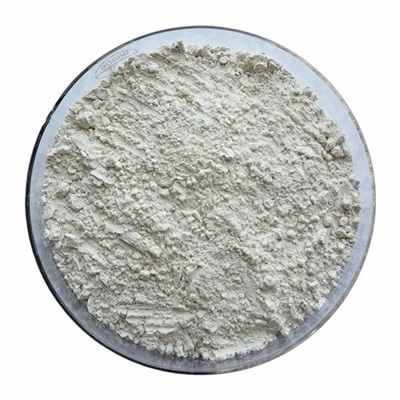
Then there’s particle size and density. Yeah, that’s a thing. If you’ve ever bought a bag of powdered sugar and noticed it’s way finer than regular granulated sugar, that’s particle size. Why does this matter? For powdered drink mixes, a finer particle dissolves faster, no lumps. For tabletop sweeteners (the little packets people put in their coffee), you want a particle that’s not too fine (it might blow away when you open the packet) and not too big (it takes forever to dissolve in a mug). Density ties into that too — a more dense sweetener will settle at the bottom of a jar, while a less dense one might float.
We actually have different grades of sweeteners here at our warehouse for exactly this reason. If a customer needs a sweetener for a protein bar that’s supposed to have a smooth texture (not gritty), we’ll send the fine-grade version. If they’re making a hard candy that needs to be pressed into molds, we’ll send a coarser, more uniform particle that compresses better. I’ve had a candy maker tell me before that switching from a cheap, off-brand sweetener (that had inconsistent particle sizes) to our uniform grade cut their candy reject rate in half. That’s the kind of win we’re here for.
Let’s not forget melting point. This is how hot a sweetener needs to get to turn from a solid into a liquid. Sucrose has a melting point around 186°C (wait, let me make sure I got that right — yeah, roughly 367°F). That’s why when you melt sugar for caramel, it gets that golden, runny liquid. Now, what about aspartame? Aspartame melts at a much lower temp, like around 190°C? No, wait — actually, it decomposes before it melts, right? Oh, right! That’s a key point. Some sweeteners don’t melt; they break down when heated. That’s why you can’t use aspartame in baking, because when you put it in the oven, it loses its sweetness and turns into something bitter.
That’s another one of those physical properties that trips people up. Stevia and monk fruit sweeteners — some of their forms melt, some don’t. We have a baking-grade monk fruit that’s formulated to handle higher temperatures, so you can use it in cookies without losing sweetness. If you try to use a regular tabletop monk fruit packet in a cake, it’ll burn and taste nasty. We teach our customers to check for melting points (and decomposition temps) because nothing’s worse than wasting a batch of cookies because you picked the wrong sweetener.
Oh, and let’s talk about aftertaste. Wait, is that a physical property? Kind of — it’s related to how the sweetener interacts with your taste buds, but also how it behaves in your mouth. A lot of artificial sweeteners (I’m looking at you, some old-school ones) leave that bitter, metallic aftertaste. Natural ones like stevia can have that licorice-y aftertaste if not processed right. But we work with suppliers to get sweeteners that have cleaner profiles, and we blend them to mellow that out. For example, blending stevia with erythritol cuts that licorice aftertaste because erythritol has a very clean, sweet taste.
Our customers love that because it means their product doesn’t have that “diet” aftertaste people hate. I once had a soda manufacturer switch from a competitor’s sweetener blend to ours because our version didn’t leave that weird finish in your mouth, and their sales went up like 15% in six months. Small thing, but it makes all the difference.
Wait, let’s circle back to something I mentioned earlier: stability. That’s how well a sweetener holds up over time, especially when mixed with other ingredients. For example, in acidic things like soda or salad dressings, some sweeteners break down. Aspartame breaks down in acidic solutions, which is why you don’t see it in many citrus-flavored sodas anymore. But sucralose is super stable in acid, so it’s perfect for those. That’s a big one for our customers making long-shelf-life products. If your sweetener breaks down after a month, your product loses sweetness and you end up with returns. We test every batch we sell for stability under different pH levels and storage conditions, so we can tell our customers exactly how long their sweetener will last in their product.
I should mention, too — we don’t just deal with artificial vs. natural. We have everything from stevia and monk fruit to erythritol, xylitol, sucralose, aspartame, and even blends that we’ve formulated in-house. Because one size doesn’t fit all. A craft bakery making wedding cakes needs a different sweetener than a energy drink company making a product that lasts for hours on the shelf.
Let me give you a quick example of how this works in real life. Last month, a client who makes sugar-free chocolate sauces called me in a panic. Their sauce was getting grainy after two weeks, and they didn’t know why. We asked a few questions: what sweetener were they using? They said a generic blend of stevia and erythritol. We checked their formulation and realized the problem was the particle size — the erythritol they were using was too coarse, so when the sauce cooled, the big particles crystallized and made it grainy. We sent them a fine-grade erythritol and a small amount of our in-house stevia blend that dissolves smoother, and they fixed the issue in 48 hours. No more grainy sauce, no more lost sales. That’s the value of knowing physical properties, right? It’s not just about selling a product — it’s about solving a problem.
I know a lot of people in the sweetener space make it sound super technical, like only chemists can understand it. But at the end of the day, it’s about making products that taste good, work well, and last. That’s why we take the time to test every sweetener we bring in, to label each one with its key physical properties (solubility, hygroscopicity, melting point, particle size) and to be on call when a client runs into a problem. Because at the end of the day, we’re in this together: we supply the sweeteners, you make the products that people love.

If you’re a manufacturer, a baker, or anyone who uses sweeteners in your work and you’re tired of dealing with clumpy mixes, grainy baked goods, off-tasting products, or sweeteners that break down too fast — hit us up. We can walk you through which sweeteners will work for your specific needs, answer any questions you have about physical properties, and even help you formulate blends if you need. No sales pitch, just real talk from someone who’s been doing this long enough to know the ins and outs of every sweetener we stock.
Preservatives References:
- O’Donnell, K. et al. (2012). Physical and functional properties of sweeteners. Journal of Food Science, 77(3), R61-R72.
- Rodriguez, S. et al. (2018). Hygroscopicity and caking behavior of high-intensity sweeteners in dry food applications. Food Hydrocolloids, 81, 457-465.
- Zhang, L. et al. (2020). Thermal stability of non-nutritive sweeteners: Implications for food processing applications. LWT – Food Science and Technology, 125, 109217.
- Codex Alimentarius Commission. (2021). Specifications for sweeteners used in food and beverages. Joint FAO/WHO Food Standards Programme.
Qingdao Longfeng Chemical Co., Ltd.
With abundant experience, we are one of the most professional sweeteners manufacturers and suppliers in China. We warmly welcome you to buy bulk premium sweeteners at competitive price from our factory. If you have any enquiry about free sample, please feel free to email us.
Address: B612, NORD PLAZA, NO.328 DUNHUA ROAD, QINGDAO, SHANDONG, CHINA
E-mail: Tony@longfengworld.com
WebSite: https://www.longfeng-chem.com/
