Talc, a naturally occurring mineral composed of magnesium, silicon, and oxygen, has been a staple in various industries for centuries. In the pharmaceutical industry, its unique properties make it an indispensable ingredient. As a talc supplier, I’ve witnessed firsthand how this versatile mineral plays a crucial role in drug manufacturing, from tablet formulation to topical applications. In this blog post, I’ll delve into the diverse uses of talc in the pharmaceutical sector, highlighting its benefits and the quality standards we uphold to ensure its safety and efficacy. Talc

Tablet and Capsule Manufacturing
One of the primary applications of talc in the pharmaceutical industry is in tablet and capsule manufacturing. Talc serves as a lubricant, which is essential for the smooth production of tablets and capsules. During the compression process, tablets are formed by compacting a mixture of active pharmaceutical ingredients (APIs) and excipients under high pressure. Without a lubricant, the powder mixture can stick to the punches and dies of the tablet press, leading to issues such as capping, sticking, and poor tablet appearance.
Talc’s lubricating properties help reduce friction between the powder mixture and the tablet press equipment, allowing the tablets to be ejected smoothly from the dies. This results in tablets with a uniform shape, smooth surface, and consistent weight. Additionally, talc helps prevent the tablets from adhering to each other during storage and transportation, ensuring their integrity and quality.
In capsule manufacturing, talc is used as a glidant. Glidants improve the flowability of the powder mixture, making it easier to fill the capsules accurately. By reducing the friction between the particles, talc ensures that the powder flows freely into the capsule shells, resulting in consistent capsule filling and dosing.
Topical Formulations
Talc is also widely used in topical pharmaceutical formulations, such as creams, ointments, and powders. Its absorbent properties make it an ideal ingredient for products designed to treat skin conditions. Talc can absorb excess moisture from the skin, helping to keep it dry and prevent the growth of bacteria and fungi. This makes it particularly useful in treating conditions such as diaper rash, athlete’s foot, and prickly heat.
In creams and ointments, talc acts as a filler and thickening agent. It helps to improve the texture and consistency of the product, making it easier to apply and spread on the skin. Talc also helps to enhance the stability of the formulation, preventing the separation of the oil and water phases.
In topical powders, talc is the primary ingredient. It provides a smooth, silky texture that feels cool and refreshing on the skin. Talc powders are commonly used to reduce friction and prevent chafing, making them popular for use in areas such as the underarms, groin, and feet.
Oral Powders and Suspensions
In oral pharmaceutical formulations, talc is sometimes used as a diluent or filler. It can be added to powders and suspensions to increase their volume and improve their flowability. This can be particularly useful when formulating medications that are difficult to handle or have a low bulk density.
Talc can also help to improve the taste and mouthfeel of oral medications. By adding a small amount of talc to the formulation, the medication can be made more palatable, making it easier for patients to take.
Quality and Safety Considerations
As a talc supplier, we understand the importance of providing high-quality talc that meets the strict safety standards of the pharmaceutical industry. We source our talc from mines that are known for their high-quality deposits and employ rigorous quality control measures to ensure that our products are free from contaminants.
One of the primary safety concerns associated with talc is the potential presence of asbestos. Asbestos is a known carcinogen that can cause serious health problems, including lung cancer and mesothelioma. To address this concern, we conduct thorough testing of our talc products to ensure that they are free from asbestos fibers. We use advanced analytical techniques, such as transmission electron microscopy (TEM) and X-ray diffraction (XRD), to detect even trace amounts of asbestos.
In addition to asbestos testing, we also test our talc products for other contaminants, such as heavy metals and microorganisms. We adhere to strict quality control standards and follow Good Manufacturing Practices (GMP) to ensure that our products are safe and of the highest quality.
Regulatory Compliance
The pharmaceutical industry is highly regulated, and talc suppliers must comply with a variety of regulations and standards to ensure the safety and efficacy of their products. In the United States, the Food and Drug Administration (FDA) regulates the use of talc in pharmaceutical products. The FDA has established strict guidelines for the quality and safety of talc, including limits on the presence of asbestos and other contaminants.
In addition to FDA regulations, talc suppliers must also comply with international standards, such as those established by the European Pharmacopoeia (EP) and the International Pharmacopoeia (IP). These standards provide guidelines for the quality, purity, and safety of pharmaceutical ingredients, including talc.
As a talc supplier, we are committed to regulatory compliance and ensure that our products meet all applicable regulations and standards. We work closely with our customers to provide them with the necessary documentation and support to ensure that their products are compliant with regulatory requirements.
Conclusion
Talc is a versatile mineral that plays a crucial role in the pharmaceutical industry. Its unique properties, such as lubrication, absorbency, and flowability, make it an ideal ingredient for a variety of pharmaceutical formulations, including tablets, capsules, topical creams and ointments, and oral powders and suspensions.
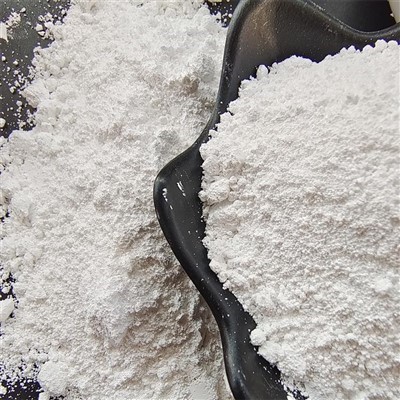
As a talc supplier, we understand the importance of providing high-quality talc that meets the strict safety and regulatory standards of the pharmaceutical industry. We are committed to sourcing the highest quality talc from trusted mines, conducting thorough testing to ensure its safety and purity, and providing our customers with the necessary support and documentation to ensure compliance with regulatory requirements.
Mica If you are in the pharmaceutical industry and are looking for a reliable talc supplier, we would be happy to discuss your needs and provide you with a quote. Our team of experts is available to answer any questions you may have and to help you find the right talc product for your application. Contact us today to start a conversation about how we can meet your talc requirements.
References
- American Pharmacists Association. (2023). Remington: The Science and Practice of Pharmacy. 23rd Edition.
- European Pharmacopoeia Commission. (2023). European Pharmacopoeia. 11th Edition.
- Food and Drug Administration. (2023). Center for Drug Evaluation and Research (CDER). Guidance for Industry: Content and Format of New Drug Applications and Abbreviated New Drug Applications.
Lingshou County LM Mineral Products Co., Ltd.
As one of the most professional talc manufacturers and suppliers in China, we’re featured by quality products and good service. Please rest assured to buy customized talc made in China here from our factory. Contact us for more details.
Address: Dongzhuang Village, Nanyanchuan Township, Lingshou County, Shijiazhuang City, Hebei Province
E-mail: lmwtwz@163.com
WebSite: https://www.lmwtz.com/
